Why Are New Premium Apartments Becoming Harder to Find in Central Jaipur?
 29th October 2026
 6 min read
Jaipur has no shortage of new apartments. Towers and large gated communities keep coming up across the city, each with its own spread of layouts and amenities.
The search narrows quickly once you add one condition: a new premium home in an established part of central Jaipur. Areas with mature roads, schools, hospitals and markets have very little land left to build on. So buyers end up choosing between a new home further out and an older or resale home in the neighbourhood they prefer.
For many families, the right home sits between those two choices. Here’s why it is so rare, and how to judge one when you find it.
Why Does Central Jaipur Still Matter?
A home is never judged only by what sits inside its walls.
Families who have lived around central Jaipur for years already have a routine that works. The school is chosen. The doctor is close. The market, the route to work and most relatives sit within a short drive.
That familiarity has practical value. Someone living around Bapu Nagar, JLN Marg, Tilak Nagar or C-Scheme is rarely looking for a new part of the city. They want a better home in the part that already works for them.
Why Is New Construction So Limited Here?
Large projects need large plots. Outer Jaipur has them, with room for big master plans and hundreds of homes in a single development.
Central neighbourhoods don’t. Existing buildings, neighbouring homes and fixed road networks decide what can be built. New projects here are therefore smaller, with fewer residences and a tighter set of common areas.
For many buyers, that isn’t a compromise. It’s the appeal.
What Does “Premium” Mean to Buyers Today?
It used to be simple: a bigger flat, better finishes, imported fittings, a grand lobby and a long amenity list.
Buyers now ask sharper questions. How many homes share a floor? How much daylight reaches the bedrooms? Where will everyone park? Will the common areas still feel comfortable once every flat is occupied?
These questions matter because a premium home is really tested after possession. By then, the brochure is in a drawer. What’s left is the daily routine: the wait for the lift, getting the car out, the privacy outside your front door.
Does Building Density Really Matter?
More than most buyers realise.
Two projects can list the same gym, pool and lounge and still feel nothing alike. A pool shared by a few hundred families runs on timings and queues. Shared by a few dozen, it’s usually free when you want it. The amenity list looks identical. Daily life doesn’t.
Density shapes small moments all day: quieter corridors, easier parking, a lift that arrives when you call it, fewer strangers on your landing.
In a central location, this counts even more. Privacy here doesn’t mean moving away from the city. It means living in a building planned with restraint, while the city stays close.
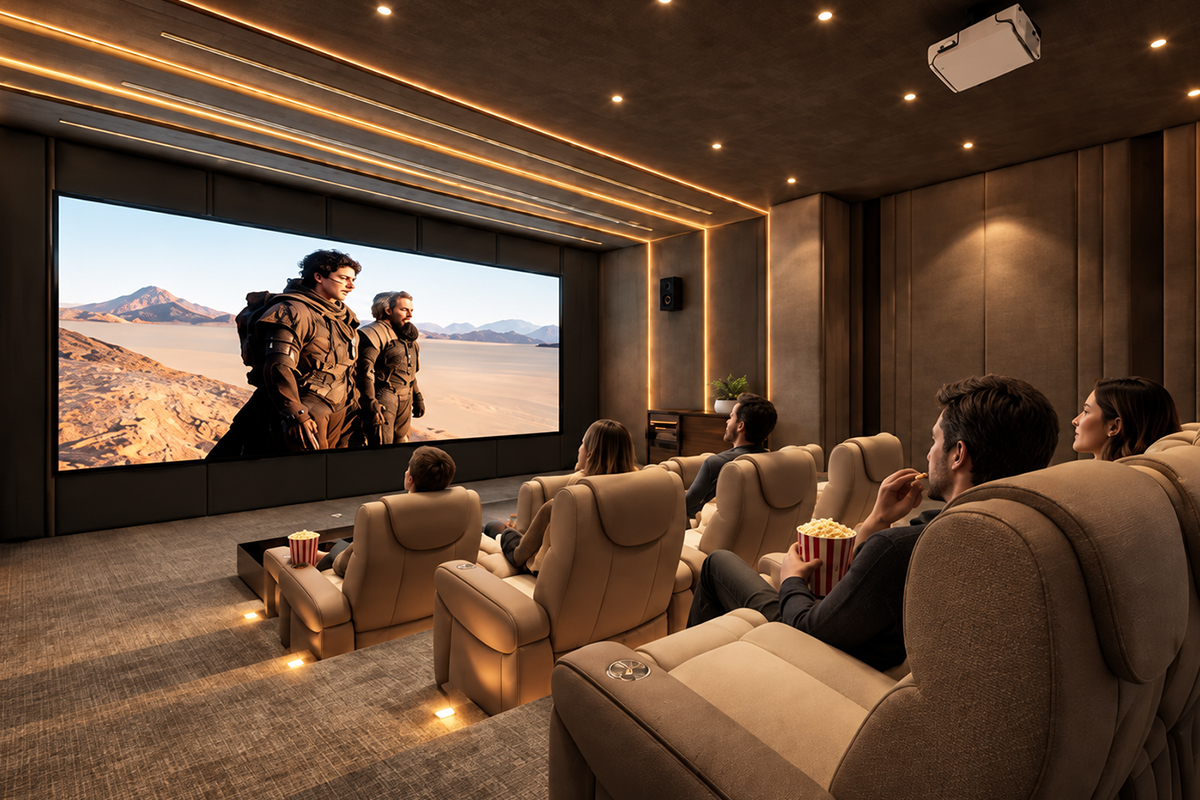
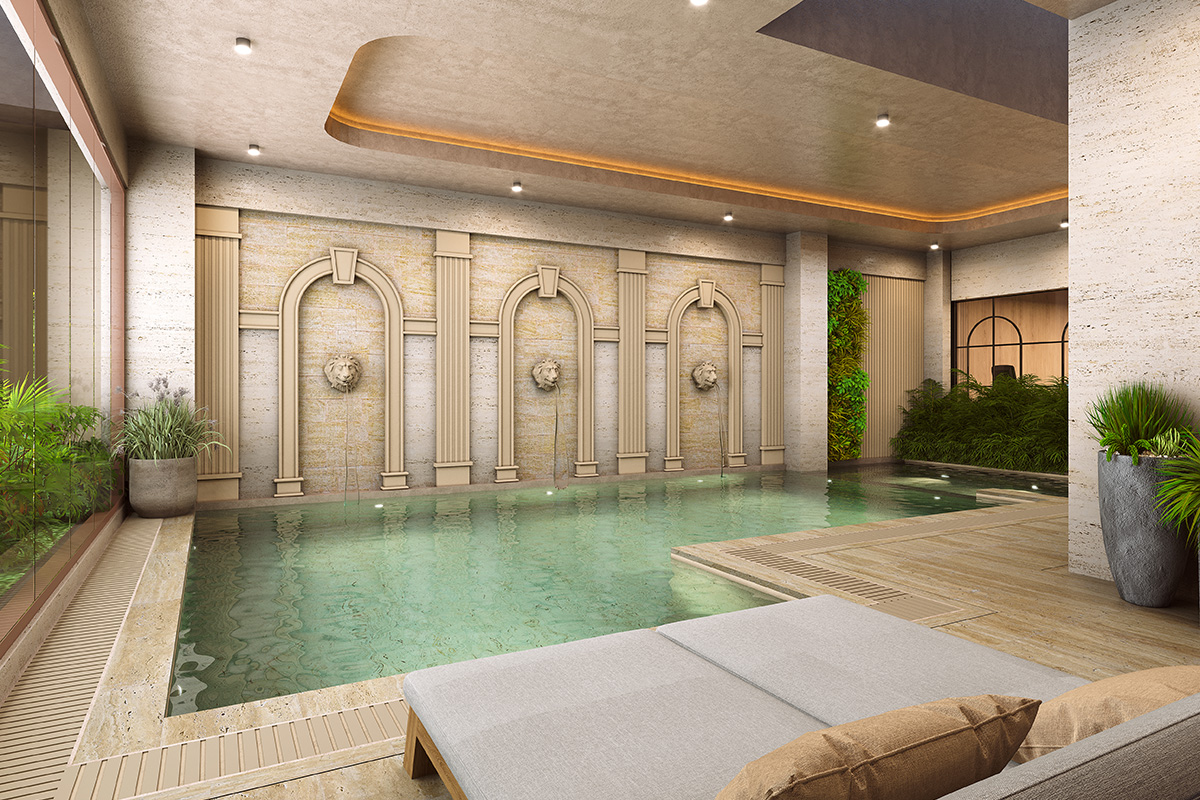
At Nature Rudraksh, just 16 residences share the project’s amenities. Explore how the wellness floor designed for only 16 families adds to this approach to low-density living.
Does the Apartment Itself Work?
A good location brings you to the site. The flat has to keep you there.
The details that decide this are easy to miss on a visit. How far the kitchen is from the dining area. How much daylight each bedroom gets. Whether the balcony is big enough to use. How clearly private rooms are separated from guest spaces.
None of these makes headlines. All of them get used every day. Good light, ventilation, sensible circulation and well-proportioned rooms outlast any feature designed only to impress at first glance. Premium buyers aren’t just after a bigger home. They want one that feels thought through.
Are More Amenities Always Better?
No. A long list looks good at launch. The real test is whether residents use it.
One well-equipped gym beats three rooms that stay locked. A landscaped terrace people actually sit on beats an oversized hall with no clear purpose. The same applies to pools, lounges, reading rooms and play areas.
In smaller buildings, every shared square foot counts, so each amenity has to earn its place. Look for facilities that match how residents will live, not ones added to lengthen a brochure.
Wellness facilities are another part of this decision. Read more about how wellness spaces impact everyday wellbeing and what these shared spaces can contribute to residential life.
What Changes When You Buy in an Established Area?
In an emerging location, you’re betting on the future: planned roads, upcoming schools, promised commercial hubs.
In central Jaipur, that part is already settled. The roads, schools and hospitals exist. Your attention moves back to the building, and to one question above all: does it fix what older homes here lack, without asking you to give up the neighbourhood?
What Should You Ask on a Site Visit?
Take this list with you:
- Total homes and homes per floor. Ask for exact numbers, not “limited residences.”
- Parking. How many spaces come with each flat, and how is visitor parking handled?
- Amenity load. How many households will share the pool, gym and lounge?
- Light. Visit once in the morning and once in the evening, and stand in the bedrooms.
- Flexibility. Can a room become a study, a guest room or a parent’s room later?
- Daily routes. Drive to your office and school at peak hour from the site.
- Paperwork. Get the RERA registration and the possession date in writing.
Why Is This Combination Getting Rarer?
Jaipur will keep growing outward, and it should. New corridors bring housing the city needs.
Established neighbourhoods can’t be copied that quickly. Their value has built up over decades through institutions, routines and familiarity. A new location can offer a newer building, but not that.
So a new premium home in central Jaipur sits in an unusual spot. The buyer isn’t just after a new apartment. They want a modern home in a part of the city that already feels complete.
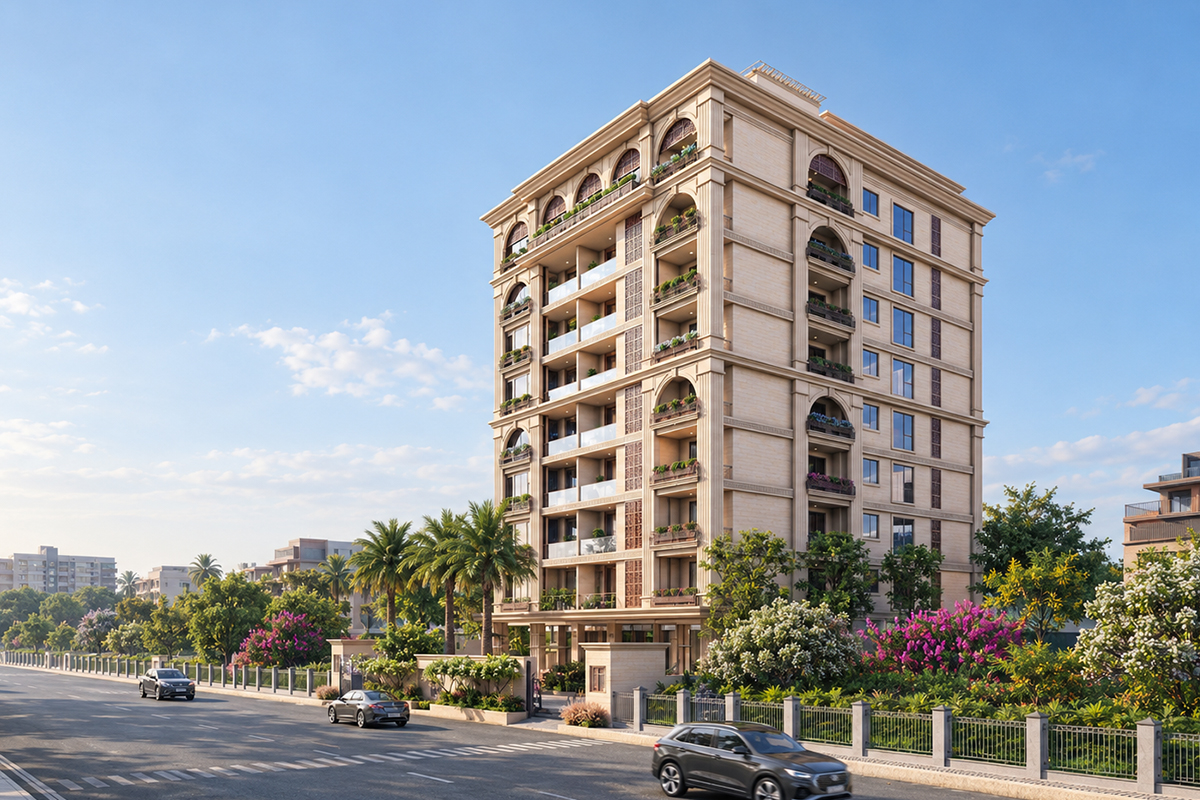
Projects built this way are few. On Rajendra Marg in Bapu Nagar, by Nature Homes & Spaces is one of them: 16 residences in 3 and 4 BHK layouts, two per floor, with a wellness floor that buyers can already visit.
As that combination gets rarer, finding both is the real premium