Is This The Right Time To Invest In Jaipur Real Estate?
 29th April, 2026
 2 min read
Timing in real estate is rarely about the present moment. It is about where a city moves over the next decade. Many investors ask if 2026 is the right time to enter the Jaipur market. At Nature Homes & Spaces, we analyse urban expansion patterns to answer this. We believe Jaipur is currently transitioning from a regional centre to a major national hub. Currently, it is an early-stage window for those who understand urban literacy.
Seeking Stability in a Moving Market
The 2026 investment landscape shows a clear shift. Capital is moving from saturated Tier-1 metros like Delhi-NCR toward high-growth Tier-2 cities. Jaipur has maintained an accelerating appreciation rate of 20% to 25% annually since 2020. This shift means you are no longer gambling on a trend. In 2026, you are finding a rare window where your money stays secure while the actual expansion of the city builds your wealth.
The current phase represents a value-buy window. Prices in Jaipur remain accessible while the city builds the infrastructure that larger metros already have. Buying now means capturing the value created by this infrastructure realisation. It is about identifying the best areas to buy land in Jaipur before they reach full maturity.
The Infrastructure Engine: Beyond the Core City
Infrastructure drives property value more than any other factor. The completion of key segments of the Ring Road, Jaipur, expansion has changed the geography of the city. It has connected isolated pockets to major economic zones like Mahindra SEZ and Sitapura.
Road networks now allow for faster transit between residential hubs and workplaces. This city expansion ensures that residential demand follows new transport corridors. When we identify a location for a project, we look for these infrastructure triggers. We plan our developments where the city intends to invest its resources. This ensures that the land remains a productive asset as the network matures.
The Price Advantage: Comparing Jaipur with Tier-1 Metros
Jaipur offers a significant price advantage over cities like Gurgaon or Noida. You can secure investment-grade land at a fraction of the cost found in saturated markets. This price positioning allows for a lower entry barrier. Investors can acquire larger parcels for the price of a small apartment in a metro city.
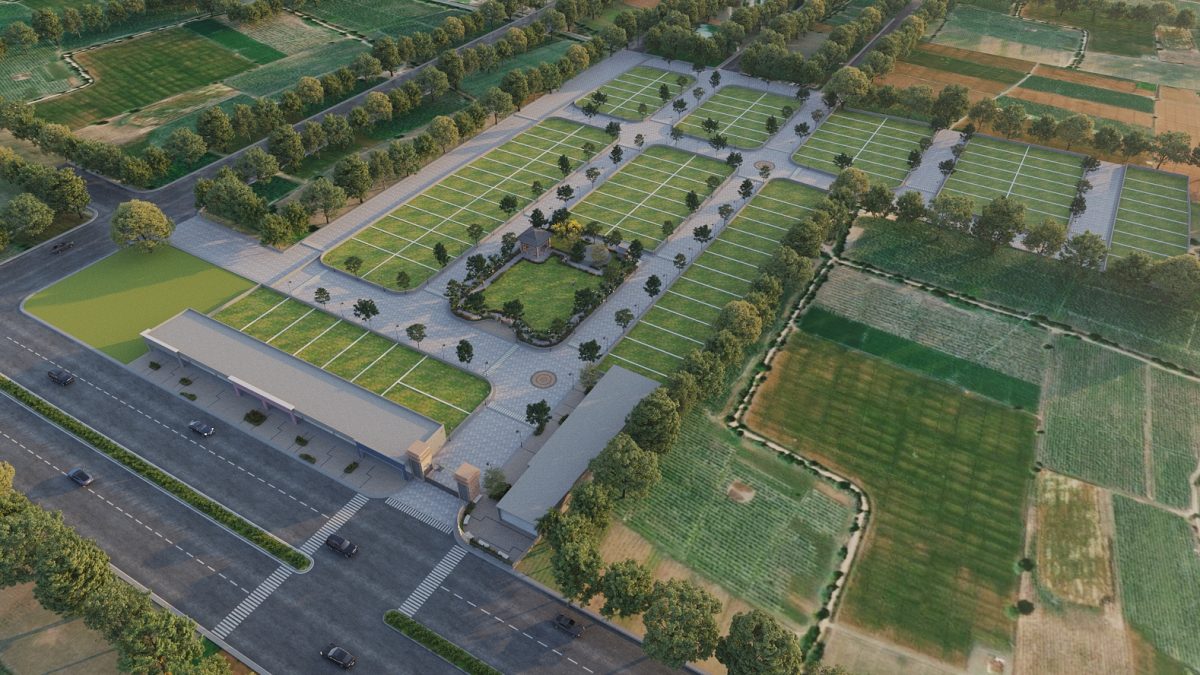
We believe peripheral zones offer a better entry point for long-term wealth. Areas like the Mansarovar Extension or the land near Diggi Malpura Road are currently in a growth phase. Infrastructure is under construction, and social amenities are being planned. This is the logic of early-stage locations. You secure the asset while the price is accessible and watch it grow as the neighbourhood matures.
Conclusion: The Window of Opportunity
Jaipur is entering a new chapter of its urban story. The combination of infrastructure growth and accessible pricing creates a unique window for investors. We believe in the future of this city. At Nature Homes & Spaces, we continue to plan developments that reflect this confidence. The right time to invest is when you can see the direction of the city before the rest of the market reacts. This is the moment to secure a legacy asset in a city that is moving forward.